Career Change · AI · Reskilling
The Operations Pivot: Why Supply Chain and Logistics Professionals Are Becoming AI Implementation's Most In-Demand Hires
The skills that kept global supply chains running are now the skills tech companies can't hire fast enough.
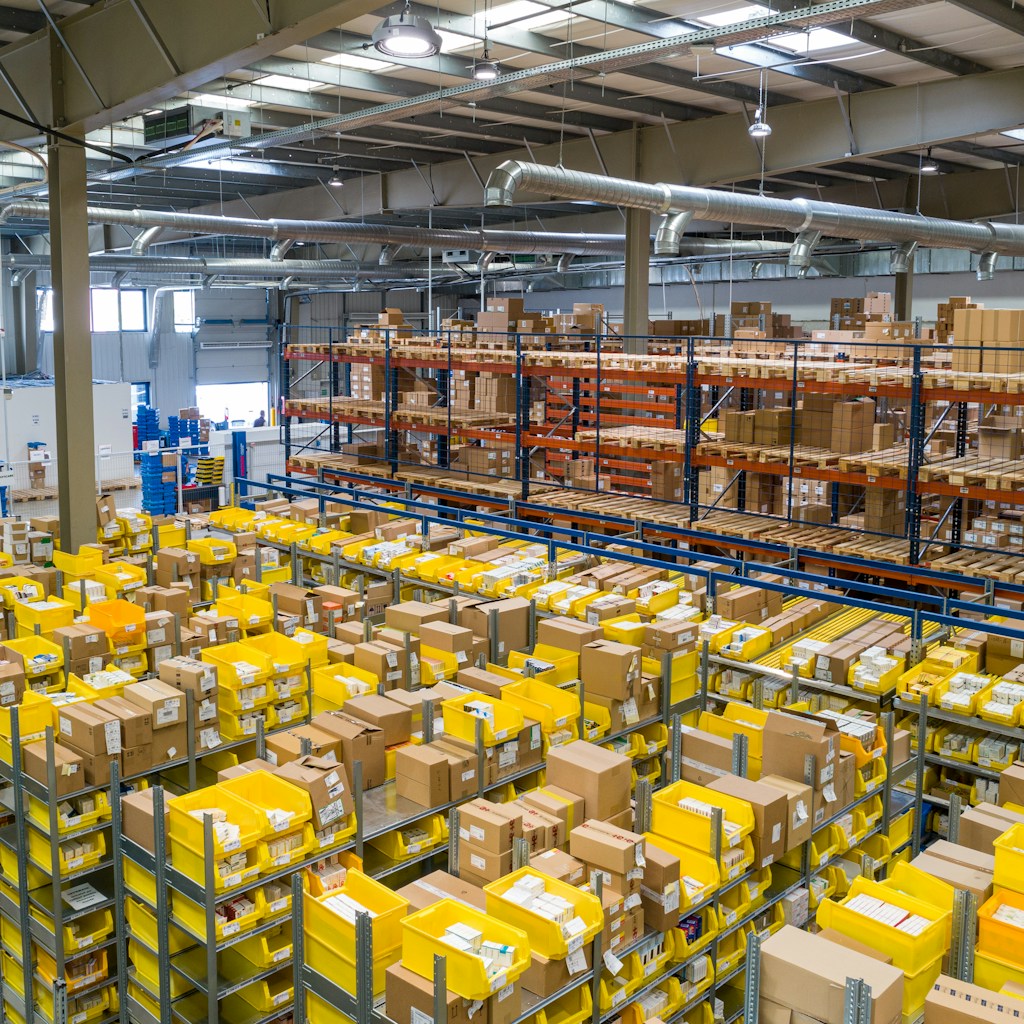

The skills that kept global supply chains running are now the skills tech companies can't hire fast enough.
Ask a supply chain manager what they do all day, and you'll get an answer that sounds nothing like what tech companies claim to desperately need: process optimization, vendor management, logistics coordination, demand forecasting, risk mitigation across complex interdependent systems.
The Invisible Talent Shortage
Ask a supply chain manager what they do all day, and you'll get an answer that sounds nothing like what tech companies claim to desperately need: process optimization, vendor management, logistics coordination, demand forecasting, risk mitigation across complex interdependent systems.
But ask a CTO what's standing between their company and a successful AI deployment, and they'll describe something that sounds exactly like that. Companies have the models. They lack the people who understand what those models need to actually work inside real operational environments.
This mismatch is quietly creating one of the most accessible on-ramps into tech that exists in 2026 — and it runs straight through the operations floor.
What Employers Post vs. What They Actually Need
LinkedIn job titles say "AI Implementation Manager" or "Process Automation Specialist." But read the actual requirements, and a different picture emerges: experience with supply chain systems, fluency with logistics flows, comfort analyzing large operational datasets, familiarity with vendor relationships and process constraints.
According to the World Economic Forum's Future of Jobs Report 2025, technology adoption and AI integration will require not just technical skills but domain expertise — the ability to understand which workflows are worth automating, where model outputs will break down against operational reality, and how to communicate tradeoffs to non-technical leadership.
That's not a computer science problem. That's an operations problem.
McKinsey's 2024 State of AI report found that the most common failure mode in enterprise AI wasn't poor model quality — it was failed implementation caused by a gap between technical teams and operational context. Companies had engineers who could build. They lacked operators who could guide.
The Skills That Transfer — and How Quickly
Operations and supply chain professionals carry several capabilities that translate directly into high-value tech roles:
- Systems thinking: Understanding how a change in one node affects the whole network is core to supply chain work — and exactly what AI deployment teams need.
- Data fluency: Demand forecasting, inventory analytics, and logistics optimization have pushed operations professionals into working with data long before it was fashionable.
- Stakeholder translation: Communicating between technical capabilities and business requirements is a skill that no algorithm can substitute.
- Process documentation: Knowing how to map a workflow, identify inefficiencies, and communicate changes across teams is foundational to AI integration work.
The reskilling gap, for most operations professionals, is narrower than it looks. What's typically needed is a layer of technical skill — data analysis, Python fundamentals, familiarity with machine learning concepts — not a four-year computer science degree.
The 18-Month Transition
The playbook for this transition is becoming clearer. LinkedIn's 2025 Workplace Learning Report tracked professionals moving from operations and logistics roles into tech-adjacent positions, finding a median transition time of 18 months for those who pursued structured upskilling alongside continued employment.
This is where a new category of education has emerged to fill the gap. Institutions like Maestro — the first AI-native university — are building programs specifically for working adults with domain expertise who need to add a technical layer without starting over. Combining accredited degree programs with personalized learning paths and job-focused training, these models compress multi-year credentials into accelerated tracks that meet professionals where they are.
The result is the hybrid professional that enterprise tech teams describe as their ideal hire: someone who already understands the system they're trying to optimize.
Where the Demand Lives
It's not just tech companies looking for these profiles. Retail, manufacturing, healthcare, and logistics firms are all racing to implement AI-driven process improvements — and struggling to find people who can bridge the gap between their operations teams and their new data science hires.
The Bureau of Labor Statistics projects roles in operations research and business intelligence to grow at 23% through 2030 — well above the average for all occupations. Meanwhile, Gartner's 2025 Supply Chain Technology Survey found that 61% of supply chain executives identified "lack of skilled talent to manage and interpret AI outputs" as their top implementation barrier.
That's not a technical hiring problem. It's a domain knowledge problem — and operations professionals are sitting on exactly the inventory those companies need.
The Salary Premium Is Real
The financial case for this transition is well-documented. LinkedIn salary data shows that supply chain analysts who move into AI operations or business intelligence roles see median salary increases of 35–55% within two years — with the steepest gains going to those who combined operational experience with structured data training.
The conventional wisdom about career changing still assumes a penalty: start over, take a step back, rebuild credibility from scratch. The data on operations-to-tech transitions tells a different story. Domain experience is equity. A company integrating AI into real logistics workflows doesn't want a junior data scientist with no operational context. It wants someone who's managed a vendor relationship and can read a decision tree.
The Window Is Open — For Now
AI adoption in operations is still early enough that the premium on domain expertise is real and measurable. Companies racing to implement process automation today are actively seeking the hybrid talent that operations professionals represent. This gap tends to close as the market matures and more technically trained graduates enter with both skill sets.
The professionals making this move now — while the operational premium is highest — are defining what this category looks like in five years.
For supply chain and logistics professionals considering the pivot, the question isn't whether the opportunity exists. It's whether to act before the window narrows. Programs like Maestro are making the technical layer more accessible than it has ever been — designed for working adults who need to build on what they already know, not abandon it.
References
- World Economic Forum. Future of Jobs Report 2025. Geneva: WEF, 2025.
- McKinsey & Company. The State of AI in 2024. McKinsey Global Institute, 2024.
- LinkedIn. 2025 Workplace Learning Report. LinkedIn Talent Solutions, 2025.
- Bureau of Labor Statistics. Occupational Outlook Handbook: Operations Research Analysts. U.S. Department of Labor, 2024.
- Gartner. 2025 Supply Chain Technology User Wants and Needs Survey. Gartner Research, 2025.