Data · Skills · Future of Work
The Data Literacy Imperative: Why Every Professional Now Needs to Speak the Language of Data
The skill that was once reserved for analysts is now a baseline expectation across every industry and every function.
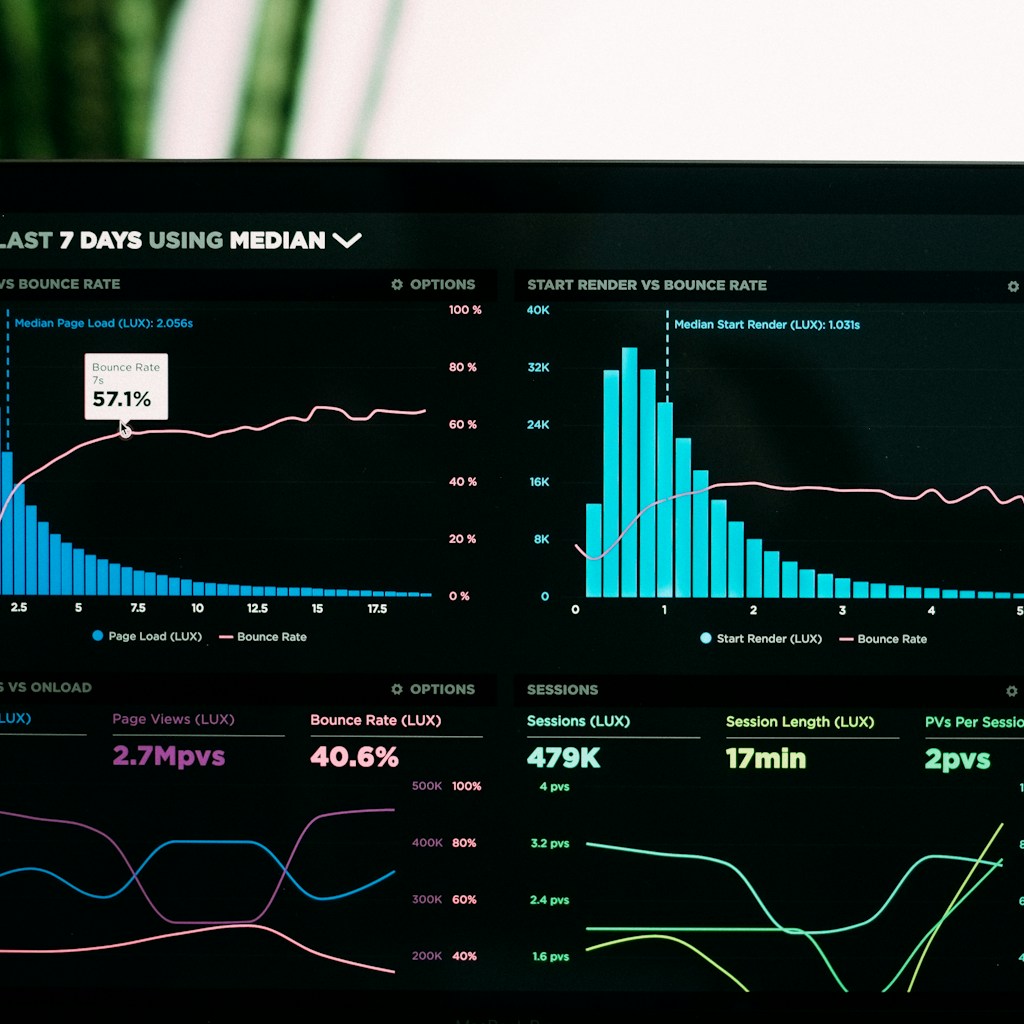

The skill that was once reserved for analysts is now a baseline expectation across every industry and every function.
A few years ago, data literacy was a phrase you'd find in job descriptions for analysts, data scientists, and BI developers. It signaled a specialist skill — something you either had a dedicated role for, or didn't need.
The New Baseline
A few years ago, data literacy was a phrase you'd find in job descriptions for analysts, data scientists, and BI developers. It signaled a specialist skill — something you either had a dedicated role for, or didn't need.
That's no longer the case. In 2026, data literacy is moving from a niche competency to a professional baseline — and the gap between those who have it and those who don't is widening fast. According to Gartner, data literacy has become an explicit and necessary driver of business value across all organizational functions. The moment has arrived. And a significant portion of the workforce isn't ready.
What Data Literacy Actually Means
The term gets misused. Data literacy is not the ability to code in Python or build machine learning models. It's something both broader and more immediately practical:
- Reading and interpreting data outputs — charts, dashboards, A/B test results, performance metrics
- Asking the right questions of data before accepting its conclusions
- Recognizing when data is being misused or misrepresented
- Translating data findings into clear decisions and business language
- Understanding the difference between correlation and causation in a real business context
It's less about technical skill and more about critical reasoning in a data-rich environment. Which means virtually every professional function — marketing, HR, finance, operations, sales, product, strategy — now requires it.
The Demand Signal Is Already in the Job Postings
LinkedIn's 2025 Workplace Learning Report found that data-related skills appeared in more job postings across non-technical roles than in any prior year — including roles traditionally considered soft-skills positions: brand management, HR business partnering, customer success.
Hiring managers are not asking marketing managers to build data pipelines. They're asking them to look at campaign attribution reports and make budget recommendations based on what they see. They're asking HR business partners to interpret workforce analytics dashboards. They're asking customer success managers to identify churn signals from usage data before a renewal conversation.
The expectation is not expertise. The expectation is fluency. And right now, most professionals are being caught flat-footed.
The Half-Life Problem
Part of what makes this shift urgent is the speed at which data tooling is evolving. The specific dashboards, platforms, and BI tools that were standard five years ago have been largely replaced or augmented by AI-native analytics environments. Professionals who learned to work with data on older platforms are finding their specific tool knowledge depreciating — even if their broader analytical instincts are sound.
The World Economic Forum's Future of Jobs Report 2025 identifies analytical thinking as the top skill employers expect to prioritize for upskilling through 2030. But it's not analytical thinking in the abstract — it's applied analytical thinking in the tools and data environments that are actually in use today. This creates a compounding challenge: the foundational mindset matters, but so does staying current on the environment in which that mindset gets applied.
Who's Getting Left Behind — and Why
The professionals most at risk are those in mid-career who built strong functional expertise during a period when data literacy wasn't required at their level. The accountant who built a sterling reputation on technical accounting knowledge. The marketing director who mastered brand strategy before performance data became central. The operations manager who knows the floor cold but has never built a business case using regression analysis.
These aren't struggling professionals. Many are high performers. But as organizations instrument every business process with data — from sales conversations to supply chain movements to employee performance — the ability to engage meaningfully with that data is becoming a prerequisite, not a bonus.
The McKinsey Global Institute has estimated that demand for data skills across non-technical roles is growing at roughly three times the pace at which the workforce is acquiring them. That gap doesn't close on its own.
Reskilling Paths That Actually Work
The good news: data literacy — unlike deep technical skills — is genuinely acquirable in a relatively compressed timeframe. The key is structured, applied learning rather than passive consumption of tutorials or one-off webinars.
What works:
- Project-based learning where you analyze real datasets and produce real outputs — not just watch someone else do it
- Scenario-embedded practice — learning to interpret a marketing attribution report by actually working through one, not just reading about it
- Expert feedback loops — having practitioners review your analysis and identify where your reasoning breaks down
What doesn't work as well is siloed, abstract instruction that teaches statistical theory without connecting it to the decisions professionals actually face in their specific industries and roles.
This is part of why AI-native programs are gaining traction over traditional university courses for working professionals. Institutions like Maestro — the first AI-native university — build personalized learning paths that adapt to a learner's specific role and industry context, combining accredited credentials with hands-on, job-focused training. For a marketing manager, that means learning to read attribution data through a marketing lens. For an HR professional, it means workforce analytics grounded in real HR decisions. The curriculum stays current because the platform is designed to update continuously — not on a three-year academic review cycle.
The Organizational Cost of Data Illiteracy
Organizations pay a real price for data illiteracy that rarely appears as a line item. It looks like decisions made on gut instinct when more reliable data was available. It looks like misinterpreted dashboards leading to wrong strategic pivots. It looks like analytics teams producing reports that business teams don't trust or know how to act on. It looks like hiring delays because candidates who are otherwise strong can't pass basic data competency screens.
OECD research on workplace skills has consistently found that organizations with higher aggregate data literacy report stronger productivity outcomes and faster decision cycles. The capability is not a nice-to-have for knowledge workers in 2026. It's a table stake.
The Move to Make Right Now
If you're a working professional who has been aware of this gap but hasn't addressed it, the right time is not after your next performance review. It's before your current role evolves beyond what your current skills can support.
Data literacy isn't about becoming a data scientist. It's about becoming a professional who can hold their own in a world where every business decision is made in dialogue with data. That world is already here. The professionals who close this gap first aren't just going to keep up — they're going to lead.
Explore what a structured, job-focused path looks like.
References
- Gartner. Building Data Literacy. gartner.com
- LinkedIn. 2025 Workplace Learning Report. linkedin.com/learning
- World Economic Forum. Future of Jobs Report 2025. weforum.org
- McKinsey Global Institute. The Future of Work After COVID-19. mckinsey.com
- OECD. Skills Outlook 2023. oecd.org